

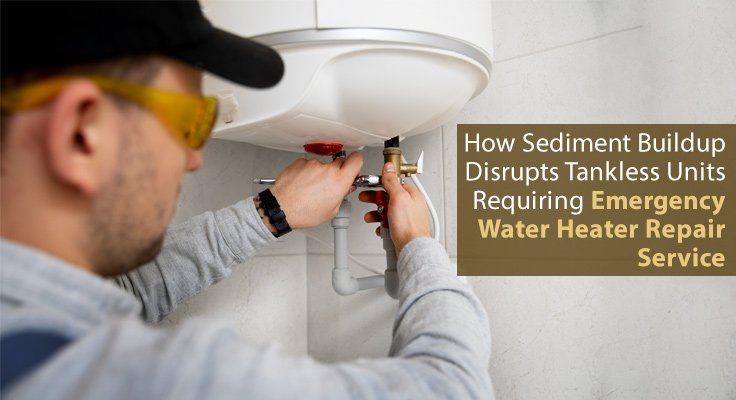
Homeowners often turn to tankless water heaters for their efficiency and space-saving design, expecting a steady supply of hot water without the bulk of a traditional tank. Yet, even modern tankless systems can be brought to a standstill by a problem hidden from sight: sediment buildup. When minerals like calcium and magnesium accumulate inside these units, hot water can slow to a trickle or stop altogether—sometimes in the middle of a shower or while running appliances. Immediate repair is often the only remedy, since unchecked sediment can rapidly escalate to costly internal damage or complete system shutdown.
This issue doesn’t only affect homes in regions with famously “hard” water. Even areas with moderate mineral content can see build-up over time, especially if regular maintenance is neglected. When a tankless water heater starts displaying strange behavior, sediment is often the unseen culprit. Addressing it quickly is the difference between a minor fix and a full replacement.
Causes of Mineral Accumulation in Modern Tankless Systems
The design of tankless water heaters, which heat water on demand as it passes through internal coils, makes them especially vulnerable to mineral accumulation. Hard water—water with elevated levels of dissolved calcium and magnesium—passes through these narrow channels, leaving behind small mineral deposits with every use. Over months or years, these deposits begin to form a crusty buildup that restricts water flow and heat transfer.
Unlike traditional tank-style heaters that can allow sediment to settle at the bottom, tankless units have no reservoir, so minerals settle directly on heating elements and inside water passages. Environmental factors, such as well water or municipal supplies with high mineral content, further accelerate the accumulation. According to water hardness maps, many regions in the country are at risk for rapid scaling inside tankless heater components.
This gradual process is why a regular tankless water heater sediment flush is recommended by manufacturers and plumbing professionals alike. Without it, even state-of-the-art systems can suffer from mineral blockages and require urgent repair.
Internal Damage Caused by Hard Water Scaling
Mineral scaling inside tankless units doesn’t just reduce water pressure—it directly harms the system’s core components. As minerals coat the heat exchanger, the unit is forced to work harder to bring water up to temperature, placing stress on the heating element and increasing the risk of overheating. Over time, this can cause the heat exchanger to crack or corrode, leading to leaks and electrical issues.
In some cases, scaling can trigger the unit’s safety sensors, causing it to shut down entirely and leaving the household without hot water. This type of failure often prompts the need for emergency interventions. Some manufacturers specify in their warranty documentation that failure to perform routine maintenance, such as a tankless water heater sediment flush, can void coverage if scaling causes damage.
Repeated exposure to hard water without intervention can also cause the unit’s internal valves and sensors to malfunction. According to tankless water heater maintenance guidelines, severe scaling may require the replacement of expensive parts, or even a full system swap if internal damage is extensive.
Warning Signs Indicating Immediate Plumbing Intervention
Tankless water heaters often give subtle hints before sediment buildup forces a breakdown. One of the most common early signs is a noticeable drop in hot water pressure, especially when multiple fixtures are used at once. This usually means that mineral deposits have begun to restrict water flow inside the unit.
Other warning signals include fluctuating water temperatures, where the shower alternates between hot and cold, or audible clicking and rumbling noises from the heater as it struggles to heat water evenly. In advanced cases, the system’s digital display may show error codes related to flow rate or temperature sensors. These are all indications that urgent attention is needed before complete failure occurs.
When these symptoms appear, scheduling a Water Heater Repair Service is the most effective way to prevent further complications. This type of repair call can address sediment blockages, restore water flow, and inspect the unit for signs of lasting damage, helping the unit avoid a costly replacement.
Professional Maintenance Solutions for Preventing System Failures
Routine professional maintenance is the most reliable defense against sediment buildup in tankless water heaters. A licensed technician will perform a tankless water heater sediment flush using a pump and descaling solution, circulating the cleaner through the unit’s internal passages to dissolve and remove mineral deposits. This process restores efficiency and prolongs the lifespan of the heater.
Maintenance visits also include checks for leaks, inspection of temperature sensors, and verification that all electrical components are functioning safely. Some service providers offer annual plans or reminders to ensure that this essential upkeep isn’t overlooked. Homeowners in areas with hard water may be advised to install a whole-house water softener to further reduce scaling risk.
Neglecting regular maintenance can lead to emergency breakdowns and voided warranties. By investing in a scheduled service plan, owners can keep their systems running smoothly and avoid the inconvenience of unexpected cold showers or major repair costs resulting from unchecked sediment buildup.
Conclusion
If your tankless water heater shows any signs of sediment-related trouble—such as reduced hot water pressure or fluctuating temperatures—arrange for a professional inspection and cleaning without delay. Quick action can restore proper function and help prevent the need for expensive emergency repairs or system replacement.