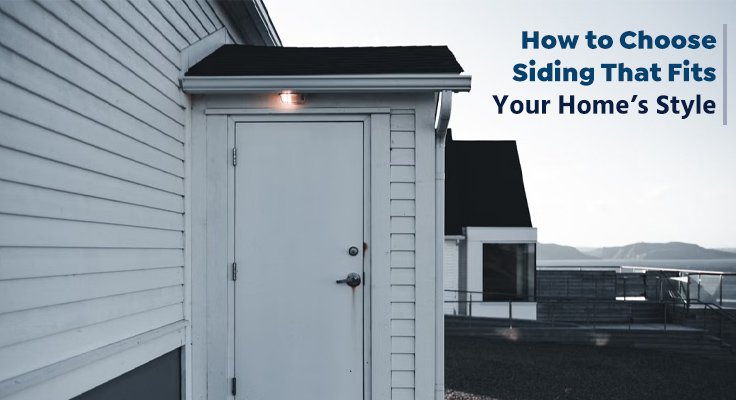
Picking siding sounds simple until you realize your house wears it every single day. It has to look good in the sun, survive rough weather, and not turn your weekends into a never-ending chore list. That’s a lot to ask from something nailed to a wall. The good news is you don’t need to be a contractor to make a smart choice. You just need to think about style, weather, upkeep, and budget in a way that makes sense for your home and your life.
Why siding matters
Your siding does more than make your house look nice from the street. It helps protect your home from rain, wind, heat, and the sort of surprise weather that shows up right after you wash the windows. If you’re trying to choose the perfect exterior siding, start by thinking about both looks and protection.
Good siding can boost curb appeal in a big way. It can make an older home feel fresh or help a newer home feel warmer and less cookie-cutter. It also plays a practical role by helping keep moisture out and reducing wear on the structure underneath.
Buyers notice siding too. If it looks faded, cracked, or patched together like a mismatched quilt, they may assume other parts of the house need work. Strong, well-chosen siding sends a different message. It tells people your home has been cared for and built to handle real life.
Match your home
Not every siding style works on every house. A sleek modern panel may look great on a boxy contemporary home, but it can feel out of place on a cozy cottage or traditional ranch. Your goal is not to copy a magazine photo exactly. It’s to choose something that fits your home’s shape and personality.
Look at the roofline, window trim, shutters, and porch details. A farmhouse often looks great with clean lines and simple colors. A craftsman-style home may work better with texture and richer tones. Landscaping also affects what feels balanced.
Color matters just as much as material. A bold shade can be fun, but if it clashes with fixed features like the roof, your house may look confused. Think of siding like the main outfit and the trim like the shoes. If they fight each other, everyone notices. Samples outside in natural light can save you from regrets later.
Think about weather
Your climate should have a loud vote in this decision. If you live somewhere with heavy rain, strong sun, snow, or high humidity, your siding needs to handle those conditions without becoming a full-time headache.
In wet areas, moisture resistance is a big deal. You don’t want siding that traps water or shows damage quickly after storms. In hot, sunny climates, fading and warping can become problems over time. Windy areas may need sturdier installation and materials that hold up when the weather gets bossy.
If your area gets all four seasons, think about expansion, contraction, and general wear through temperature swings. What looks great in spring should still perform in winter. Ask local installers what materials tend to last in your region. That kind of local knowledge is often more useful than broad national advice. Weather isn’t just background scenery here. It’s part of the hiring committee.
Compare upkeep needs
Some siding choices are pretty low drama. Others ask for regular attention, touch-ups, and repairs. Before you fall in love with a certain look, be honest about how much maintenance you’re actually willing to do.
Vinyl is often popular because it usually needs simple cleaning and little else. Wood has classic charm, but it may need repainting or sealing over time. Fiber cement can offer durability, though it still benefits from occasional inspection and care. Engineered products can vary, so it helps to ask specific questions instead of assuming every option behaves the same.
Think about your schedule too. If you already spend weekends juggling errands, kids, yard work, and maybe one half-finished garage project, high-maintenance siding may not be your best match. The right choice is not just about what looks impressive on day one. It’s about what still feels manageable five years later. Pretty is nice, but easy is underrated.
Set a smart budget
It’s tempting to focus only on the sticker price, especially when siding covers a large area and estimates can climb fast. But the cheapest option up front is not always the least expensive over time.
A lower-cost material might save money today, then cost more later through repainting, repairs, or early replacement. A more durable option may have a higher initial price but lower upkeep over the years. That’s why it helps to think in terms of value, not just cost.
Make a simple list:
- Installation price
- Expected maintenance
- Likely repair costs
- How long it may last
- Potential boost in curb appeal
This doesn’t need to become a spreadsheet adventure unless that’s your thing. You just want a clear picture of what you’re paying for. If your budget is tight, ask where it makes sense to invest more and where you can keep choices simple. Smart budgeting is less about being cheap and more about avoiding expensive surprises.
Avoid common mistakes
A lot of siding regrets come from rushing. One common mistake is picking a color from a tiny sample indoors. That soft gray can turn icy blue outside. That warm beige may suddenly look like dry oatmeal. Always check samples in daylight and next to your trim.
Another mistake is chasing trends too hard. What looks fresh right now may feel dated sooner than you think. Timeless doesn’t have to mean boring. It just means your house still makes sense a few years from now.
Some homeowners also ignore the neighborhood completely. You don’t need your house to match every home on the block, but if it looks wildly out of step, that can affect curb appeal. And don’t focus only on appearance. A beautiful material that struggles in your climate or needs more upkeep than you can handle can turn into a frustrating money pit. Style matters, but function keeps the peace.
Plan your next step
Once you’ve narrowed your options, make the process easier by getting organized. Start with your main goals. Do you want less maintenance, better curb appeal, stronger weather protection, or a mix of all three? Knowing your priorities helps you sort through choices faster.
Then gather a few samples and look at them outside during different times of day. Morning light and late afternoon light can tell very different stories. Take photos too. Sometimes your eye catches things in a photo that you miss in person.
When you speak with installers, ask practical questions. How does this material hold up locally? What maintenance should you expect? What warranty details matter most? A good contractor should explain things clearly without making you feel like you need a dictionary and a hard hat.
You don’t need the fanciest option. You need the one that fits your home, your climate, and your real life. That’s how you choose with confidence and skip the siding-sized stress
Also Read: Unveil the Charm of the Florence Thermal Break Single Iron Door for Your Home