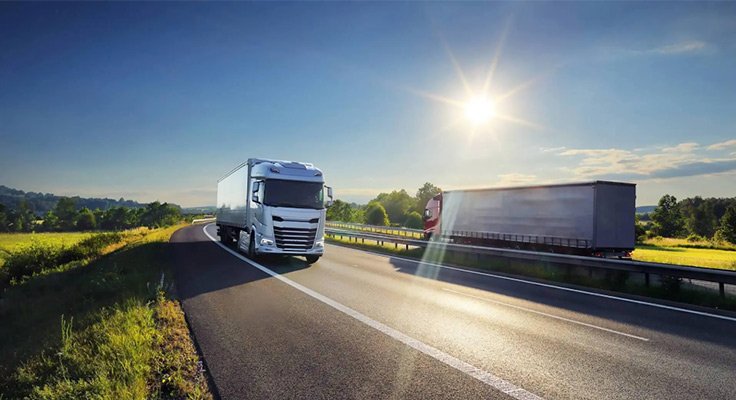
Open transport moves most vehicles in the United States, and for everyday cars it does the job at the lowest cost. Enclosed transport runs roughly 30 to 60 percent more. That premium earns its keep when a vehicle’s condition drives its value. The right method depends on what sits on the trailer, not on habit.
For operations and supply chain teams, the open-versus-enclosed choice is a risk decision, not a preference. A damaged vehicle is a claim, a delay, and a hit to resale or appraisal value. Knowing when to pay for protection keeps both budget and balance sheet intact.
The cost gap in perspective
Enclosed shipping typically costs 30 to 60 percent more than open. The premium reflects fewer vehicles per trailer, specialized equipment, and higher insurance limits. On its own, that figure looks steep.
Then consider the asset. The average new-vehicle transaction price topped $50,000 for the first time in late 2025, reaching $50,326 in December, according to Kelley Blue Book data from Cox Automotive. Against a five-figure asset, a few hundred dollars in added protection changes the math quickly.
When open transport is the right call
Open carriers are the backbone of vehicle logistics for good reason. They handle the highest volume at the lowest price and offer the widest carrier availability. For many shipments, that is exactly what the job needs.
Open transport usually fits when:
- The vehicle is a standard sedan, SUV, or truck with normal ground clearance.
- Cost control outweighs condition sensitivity, as with routine fleet replenishment.
- Speed matters, since more open carriers on the road mean faster dispatch.
- The route avoids prolonged exposure to severe weather or debris.
When enclosed transport earns the premium
Enclosed trailers shield a vehicle from weather, road debris, and view. For certain assets, that protection moves from optional to essential. Providers offering enclosed vehicle transport services also pair the equipment with trained handling and higher coverage limits.
The premium typically pays off when:
- The vehicle is high value or rare. Collector and restored vehicles, where appraisal value depends on condition, are the classic case. The Hagerty Valuation Tools show how heavily original condition drives collector worth.
- The vehicle is an EV or hybrid. The average new EV sold for $58,034 in December 2025, and prolonged heat exposure on open carriers raises battery and component concerns.
- Ground clearance is low. Exotics and modified vehicles risk damage during open loading and unloading.
- The route is long or weather-exposed. More miles mean more cumulative exposure to debris and elements.
A simple framework for the decision
Reduce it to two numbers. First, the enclosed premium in dollars for the route. Second, the value and condition sensitivity of the vehicle.
When the premium represents a small share of the asset value, and condition affects resale, auction, or appraisal outcomes, enclosed almost always wins. When the vehicle is a routine unit and the budget is tight, open transport remains the sound choice.
Insurance is the third factor, and it is easy to misread. Federal rules require for-hire carriers to hold public liability coverage and active operating authority. You can verify both through the FMCSA SAFER Company Snapshot. Cargo coverage is different. It is set by the carrier and the contract, not by federal mandate, and limits often apply per trailer rather than per vehicle. For a high-value shipment, confirm the cargo limit in writing before booking, and ask about gap coverage when the vehicle exceeds it.
The two methods are not competitors. They are different tools for different jobs. Match the method to the vehicle and the route, verify the coverage, and the open-versus-enclosed question answers itself.