For years, conversations around the U.S. housing market revolved around one problem: supply. There were not enough homes, especially affordable ones, to meet demand. That issue still exists, but the conversation is changing. Today, the bigger concern for many Americans is whether they can afford to keep a home after buying it.
Mortgage payments are no longer the only major housing expense. Rising insurance premiums, HOA fees, maintenance costs, property taxes, and climate-related expenses are reshaping what homeownership looks like in 2026.
Even households earning six figures increasingly feel financially stretched. According to a Fortune report, 57% of Americans earning over $100,000 believe homeownership is unattainable in the foreseeable future.
The emotional shift is hard to ignore. Buying a home no longer guarantees financial stability. In many cases, it creates a new layer of long-term financial anxiety. Here’s why.
The Housing Market Is Active, Yet Frozen
At first glance, the market appears to be improving. Inventory has slowly increased in several regions, and builders continue adding new developments. However, home sales remain historically weak. A PBS News report found that existing-home sales in 2025 stayed near a 30-year low, with only around 4.06 million homes sold across the country.
High mortgage rates remain a major reason. Many homeowners refinanced during the pandemic when rates were below 4%. Selling now would often mean taking on a new mortgage with rates above 6%, making relocation financially painful.
Lawrence Yun, chief economist at the National Association of Realtors, noted that the market is still dealing with affordability pressure despite some inventory improvements. Buyers are hesitant, while sellers remain locked into older, cheaper loans.
The result is a strange kind of gridlock. People want to move, upgrade, or downsize, but the numbers simply do not work in their favor.
Insurance Costs Are Becoming a Major Affordability Threat
For many homeowners, the biggest financial shock no longer comes from mortgage payments alone. Insurance costs are quickly becoming one of the most unpredictable parts of owning a home.
CBS News recently reported that average homeowners’ insurance premiums have risen nearly 70% over the last five years. Climate-related disasters, rising rebuilding expenses, and insurer pullbacks from high-risk regions are all contributing to the increase.
The impact is especially noticeable in states prone to hurricanes, floods, or wildfires. In some areas, homeowners now spend hundreds of additional dollars every month just to maintain coverage. This is changing how buyers evaluate properties altogether.
Affordability is no longer determined only by the sale price or interest rate. Buyers are increasingly researching climate risk, local insurance trends, and long-term ownership costs before making decisions. For the real estate industry, this signals a broader shift. Housing conversations are moving beyond acquisition and toward sustainability of ownership over time.
HOA Fees Are Quietly Reshaping Housing Affordability
HOA fees are becoming another major pressure point for homeowners across the country. An Independent report found that median condo HOA fees rose 29% between 2019 and 2025. Higher maintenance expenses, reserve funding requirements, and rising insurance costs for shared properties are driving many of these increases.
Florida offers one of the clearest examples of this growing burden. A Realtor.com report found that Florida metros now rank among the most expensive in the country for HOA fees. As costs continue rising, many homeowners are beginning to question how effectively some communities are being managed.
Concerns about financial transparency, reserve planning, and communications from HOA boards are becoming more common. In communities where management feels disorganized or financially inefficient, consulting an HOA management company in Florida can help improve oversight and long-term planning.
As Condominium Associates notes, without stronger operational management, HOA-related costs could continue making homeownership less sustainable for many Americans.
Starter Homes Are Also Disappearing From the Market
Another major challenge is the shrinking availability of affordable entry-level housing.
NPR recently reported that affordable homes are becoming increasingly rare across the United States. Builders have spent years prioritizing larger, higher-margin homes instead of smaller starter properties. Meanwhile, zoning restrictions in many cities continue to limit denser housing development.
This shortage has reshaped the traditional path to homeownership. Younger buyers who once expected to start with a modest condo or suburban home now face limited inventory and higher borrowing costs.
The condo market, once considered a more affordable entry point, is also changing rapidly. Rising HOA fees and insurance costs are eroding much of the affordability advantage that condos once offered.
For developers and industry leaders, this creates a difficult balancing act. Buyers want affordability, but construction costs, labor shortages, and land prices continue pushing projects toward higher price points.
FAQs
Is housing unaffordable in the US?
Housing affordability has become a major concern across the United States. High home prices, elevated mortgage rates, and limited affordable inventory are making ownership difficult for many buyers. Even households earning six figures increasingly struggle with long-term housing costs and monthly financial pressure.
Why is home insurance becoming more expensive?
Home insurance costs are rising due to climate-related disasters, rebuilding expenses, and higher material costs. Insurance companies are also reducing coverage in high-risk regions affected by floods, hurricanes, and wildfires. As a result, homeowners in many states now face significantly higher annual premiums.
What are the disadvantages of an HOA?
HOAs can create financial pressure through monthly fees, special assessments, and unexpected cost increases. Some homeowners also dislike strict rules involving property appearance, renovations, or community regulations. Poor management or lack of transparency within certain HOAs can further increase resident frustration.
Key Housing Market Statistics
| Americans earning over $100K who believe homeownership is unattainable | 57% |
| Existing-home sales in 2025 | Around 4.06 million |
| Rise in homeowners’ insurance premiums over five years | Nearly 70% |
| Increase in median condo HOA fees between 2019 and 2025 | 29% |
Sustainability Is Becoming the Industry’s Real Test
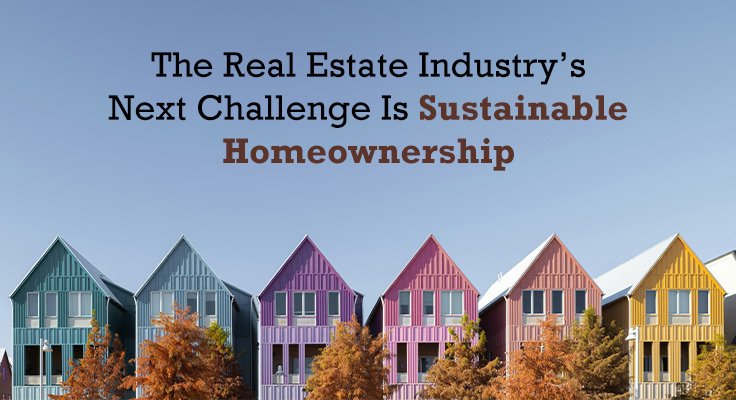
The real estate industry has spent years focusing on housing supply, sales activity, and mortgage rates. Those issues still matter, but the next phase of the market will likely center on the sustainability of ownership.
Consumers are becoming more cautious about long-term affordability. Investors are paying closer attention to climate exposure and operating costs. HOA governance, insurance availability, and maintenance planning are increasingly influencing property values and buyer confidence.
This shift may ultimately reshape how homes are designed, marketed, financed, and managed. Real estate professionals who adapt to these concerns early will likely be better positioned in the years ahead.
The American dream of homeownership has not disappeared. But for many households, the challenge is no longer simply buying a home. It is figuring out how to sustainably afford everything that comes after the closing papers are signed.