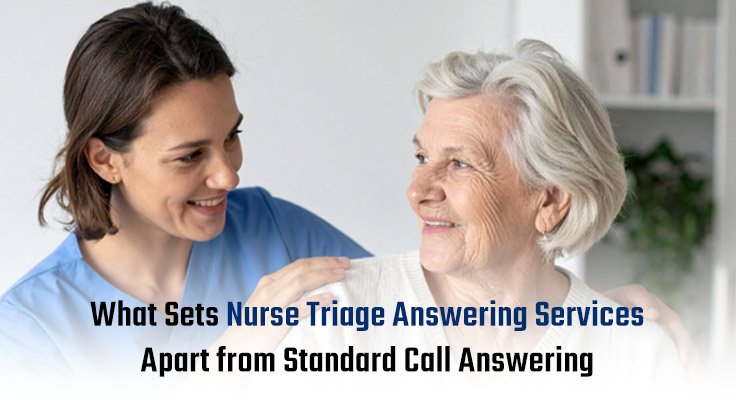
Healthcare communication plays a critical role in patient safety, satisfaction, and long-term outcomes. While many practices rely on traditional call answering to manage incoming inquiries, this approach often falls short when clinical judgment is required. Early in the discussion, it becomes clear that a nurse triage answering service offers far more than message taking or call routing. This distinction ensures that callers receive informed guidance rather than delayed responses, which directly supports continuity of care and patient confidence. The difference lies not only in who answers the call but also in how each interaction is assessed, documented, and escalated when necessary.
Clinical Expertise Versus Basic Call Handling
Standard call answering services are designed to capture messages and forward information without interpretation. While this may work for administrative questions, it is not sufficient when patients report symptoms or urgent concerns. Nurse triage answering services rely on trained clinicians who can evaluate patient needs using established clinical protocols. This expertise allows for immediate assessment and appropriate direction, whether that means reassurance, follow-up scheduling, or escalation. Patients receive guidance aligned with clinical standards rather than generic responses. This level of care reduces unnecessary emergency visits while ensuring serious conditions are addressed promptly.
Consistency in Patient Experience and Care Decisions
Consistency is essential in healthcare communication, especially outside regular office hours. Standard answering services often create fragmented experiences because messages are reviewed later without context. Nurse triage services document interactions in a structured manner that supports continuity across the care team. This consistency ensures that care decisions remain aligned regardless of when the patient calls. It also helps providers better understand patient concerns when reviewing records later. Over time, this reduces confusion, improves follow-through, and strengthens trust between patients and their care teams.
Impact on Practice Operations and Patient Relationships
Beyond clinical benefits, nurse triage answering services positively influence practice operations. By managing clinical inquiries professionally, these services reduce administrative burden on in-house staff. Providers can focus on patient care rather than sorting through unclear or incomplete messages. This operational efficiency supports broader goals often associated with a patient conversion company, such as where structured communication contributes to stronger patient engagement without disrupting workflows. Clear, timely responses help practices maintain a professional image while fostering long-term patient relationships built on reliability and responsiveness.
Reducing Risk Through Protocol-Driven Communication
Risk management is another key area where nurse triage services stand apart. Standard call answering offers no clinical safeguard against misinformation or delayed response. Nurse triage professionals follow evidence-based protocols that guide decision-making and escalation. This approach reduces liability by ensuring patient concerns are handled appropriately and documented accurately. It also reassures patients that their health questions are taken seriously, even when their primary provider is unavailable. Protocol-driven communication adds a layer of safety that basic answering services cannot provide.
Supporting Patient Trust and Engagement
Patients value timely, knowledgeable responses, especially during moments of uncertainty. When callers speak with a clinical professional, they feel heard and supported rather than dismissed. This trust encourages patients to remain engaged with their care plans and providers. Ongoing engagement leads to better adherence, improved outcomes, and stronger relationships. Nurse triage services help reinforce the idea that care does not pause after business hours, which is a key expectation in modern healthcare delivery.
Conclusion
The difference between nurse triage answering services and standard call answering extends far beyond call handling. By integrating clinical expertise, structured protocols, and consistent documentation, nurse triage services support safer, more reliable patient communication. These services enhance operational efficiency, reduce risk, and strengthen patient trust, making them a critical component of professional healthcare communication strategies.